
Table of Contents
Introduction
What Are Medical Disposable Supplies?
Importance of Medical Disposable Supplies in Modern Healthcare
New Developments Transforming Medical Disposable Supplies
Key Categories of Advanced Medical Disposable Supplies
Benefits of Modern Medical Disposable Supplies
Technical Specifications and Product Characteristics
Infection Prevention and Patient Safety Improvements
Material Innovations in Medical Disposable Supplies
Smart Manufacturing Technologies
Applications Across Healthcare Settings
Sustainability Trends
Industry Challenges and Opportunities
Future Outlook
Frequently Asked Questions
Conclusion
Introduction
Medical Disposable Supplies have become an essential component of modern healthcare systems. Hospitals, clinics, laboratories, emergency departments, surgical centers, and home healthcare providers rely on disposable medical products every day to ensure patient safety, infection prevention, and efficient clinical operations.
Over the past decade, significant advancements in Medical Disposable Supplies have transformed healthcare delivery worldwide. New developments in materials, manufacturing technologies, safety features, ergonomic design, sterility assurance, and sustainability initiatives are helping healthcare providers improve patient outcomes while maintaining high standards of quality and regulatory compliance.
As healthcare demands continue to grow due to aging populations, chronic disease prevalence, expanding healthcare infrastructure, and increasing surgical procedures, the importance of advanced Medical Disposable Supplies becomes even more critical. Healthcare organizations now seek products that not only meet clinical requirements but also improve efficiency, reduce risks, enhance patient comfort, and support sustainable healthcare practices.
This article explores the latest developments in Medical Disposable Supplies and how these innovations support better patient care across global healthcare systems.
What Are Medical Disposable Supplies?
Medical Disposable Supplies are single-use healthcare products designed to be used once and then safely discarded after a medical procedure, treatment, diagnostic test, or patient interaction.
These products help minimize contamination risks and support infection control protocols throughout healthcare environments.
Common examples include:
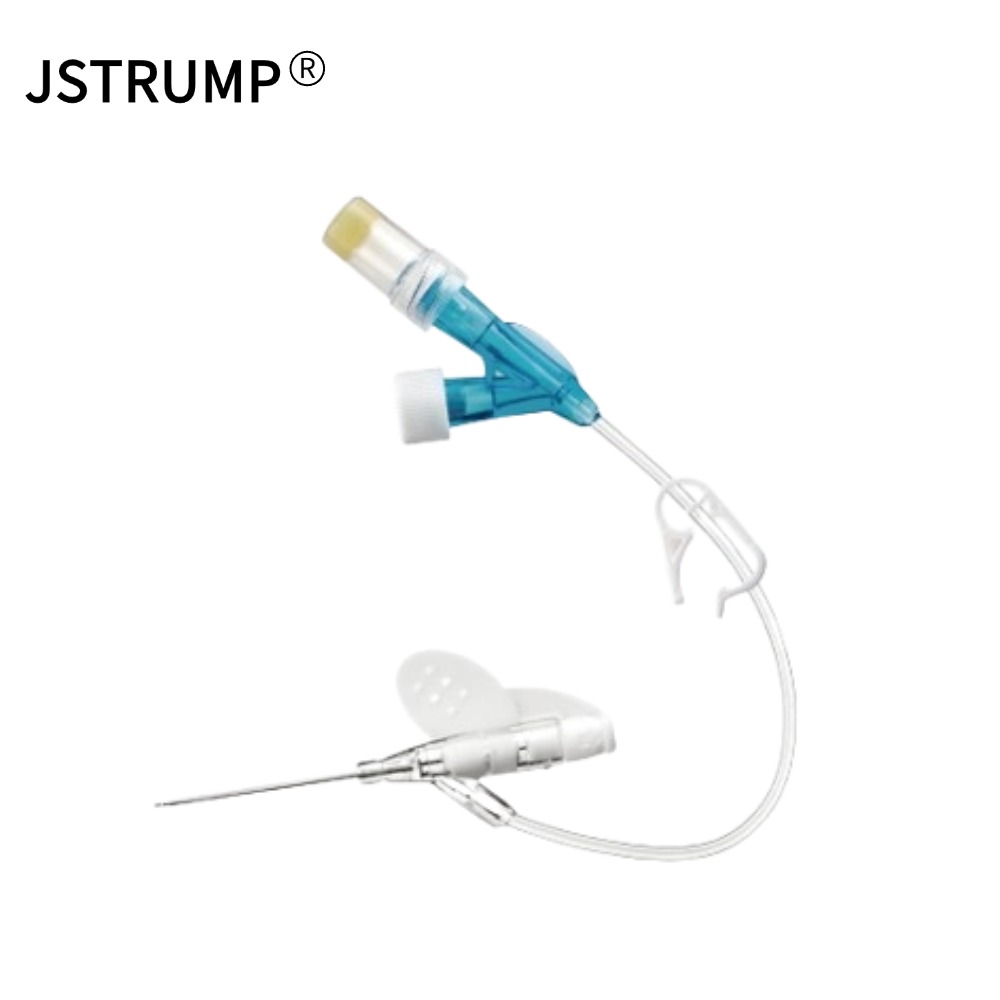
Safety IV Cannulas
Blood Collection Lancets
Safety Lancets
Infusion Sets
Syringes
Catheters
Examination Gloves
Surgical Gloves
Face Masks
Surgical Drapes
Specimen Collection Devices
Wound Care Products
Diagnostic Accessories
Medical Disposable Supplies play a fundamental role in ensuring healthcare safety and operational efficiency.
Why Medical Disposable Supplies Matter
The healthcare industry relies heavily on disposable products because they help eliminate many risks associated with reusable medical equipment.
| Advantage | Clinical Benefit |
|---|---|
| Single Use Design | Reduces cross contamination |
| Sterile Packaging | Maintains product integrity |
| Consistent Quality | Improves reliability |
| Infection Prevention | Protects patients and staff |
| Easy Availability | Supports efficient workflows |
| Regulatory Compliance | Meets healthcare standards |
By reducing contamination risks and supporting standardized procedures, disposable medical supplies contribute significantly to patient safety.
Evolution of Medical Disposable Supplies
Medical Disposable Supplies have evolved dramatically over recent decades.
Earlier disposable products primarily focused on:
Basic functionality
Low manufacturing cost
Simple designs
Modern products now emphasize:
Enhanced safety
Improved ergonomics
Better patient comfort
Reduced infection risk
Smart manufacturing processes
Environmental sustainability
This evolution reflects changing healthcare needs and increasing expectations from medical professionals and healthcare organizations.
New Developments Transforming Medical Disposable Supplies
The Medical Disposable Supplies industry is undergoing rapid innovation.
Several developments are reshaping the sector.
One of the most important innovations involves integrated safety features.
Examples include:
Retractable needles
Safety lancets
Automatic needle shielding systems
Blood control mechanisms
Closed-system designs
These features help reduce accidental needlestick injuries and improve workplace safety.
| Traditional Design | Modern Safety Design |
|---|---|
| Exposed Needle | Needle Protection |
| Manual Disposal | Automatic Safety Features |
| Higher Injury Risk | Reduced Injury Risk |
| Basic Functionality | Enhanced User Protection |
Healthcare facilities increasingly prioritize products that improve occupational safety.
Improved Infection Control Solutions
Infection prevention remains a major healthcare priority.
Modern Medical Disposable Supplies support infection control through:
Improved sterile barrier systems
Better packaging technologies
Enhanced material performance
Single-use device expansion
These developments help reduce healthcare-associated infection risks.
| Feature | Benefit |
|---|---|
| Sterile Packaging | Product protection |
| Single Use Products | Reduced contamination |
| Safety Mechanisms | Better infection control |
| Closed Systems | Lower exposure risks |
Healthcare providers increasingly rely on disposable solutions to support infection prevention programs.
Material Innovations in Medical Disposable Supplies
Material science has significantly influenced product development.
Manufacturers continually explore new materials that provide:
Better flexibility
Improved strength
Enhanced biocompatibility
Increased patient comfort
Better manufacturing efficiency
| Property | Importance |
|---|---|
| Biocompatibility | Patient safety |
| Durability | Reliable performance |
| Flexibility | User comfort |
| Sterility Compatibility | Regulatory compliance |
| Chemical Resistance | Product integrity |
Advanced materials contribute to better healthcare outcomes and more reliable clinical performance.
Advanced Medical Disposable Supply Categories
IV Access Devices remain among the most widely used disposable medical products.
Applications include:
Fluid administration
Medication delivery
Blood transfusion
Nutritional support
Recent developments include:
Safety IV Cannulas
Blood control technology
Improved catheter materials
Enhanced insertion systems
| Feature | Clinical Value |
|---|---|
| Safety Mechanisms | Reduced needlestick injuries |
| Improved Catheters | Better patient comfort |
| Blood Control Systems | Cleaner procedures |
| Secure Stabilization | Reduced displacement |
Blood collection technology has advanced significantly.
Examples include:
Safety Lancets
Retractable Lancets
Blood Collection Needles
Vacuum Blood Collection Systems
Advantages include:
Accurate sampling
Improved patient comfort
Better specimen quality
Reduced contamination risk
Injection and infusion products continue to evolve through:
Precision engineering
Improved flow control
Enhanced safety systems
Common products include:
Infusion Sets
Injection Needles
Extension Tubing
These developments support safer and more efficient treatment delivery.
Patient-Centered Design Improvements
Modern healthcare increasingly focuses on patient experience.
Medical Disposable Supplies now incorporate patient-centered design principles.
Smaller needle profiles
Improved catheter flexibility
Reduced insertion discomfort
Ergonomic product configurations
| Improvement | Benefit |
|---|---|
| Reduced Pain | Better patient experience |
| Flexible Materials | Greater comfort |
| Easier Procedures | Reduced anxiety |
| Reliable Performance | Improved treatment outcomes |
Patient comfort is becoming an important consideration during product development.
Smart Manufacturing Technologies
Manufacturing innovation plays a major role in product quality.
Modern Medical Disposable Supplies are increasingly produced using:
Automated assembly systems
Precision injection molding
Digital quality monitoring
Smart manufacturing platforms
| Technology | Benefit |
|---|---|
| Automation | Consistent quality |
| Precision Molding | Improved accuracy |
| Real-Time Monitoring | Better process control |
| Digital Traceability | Enhanced compliance |
These technologies help manufacturers deliver more reliable products.
Quality Assurance and Regulatory Compliance
Medical Disposable Supplies must comply with strict regulatory requirements.
Quality assurance programs typically include:
Material inspection
Process validation
Sterility testing
Functional verification
Packaging validation
| Quality Area | Objective |
|---|---|
| Incoming Materials | Consistency |
| Manufacturing Processes | Reliability |
| Sterility Assurance | Patient safety |
| Packaging Inspection | Product protection |
| Traceability | Regulatory compliance |
Comprehensive quality systems are essential for maintaining healthcare standards.
Applications Across Healthcare Settings
Medical Disposable Supplies are used throughout healthcare environments.
Applications include:
Emergency treatment
Surgery
Intensive care
General patient care
Products support:
Routine examinations
Diagnostic testing
Vaccinations
Outpatient procedures
Laboratories use disposable products for:
Specimen collection
Sample handling
Diagnostic analysis
Growing home healthcare markets increase demand for:
Blood collection devices
Lancets
Syringes
Monitoring consumables
Healthcare delivery continues expanding beyond traditional hospital settings.
(To be continued in Part 2 with Sustainability, Industry Trends, Detailed Specification Tables, Market Growth Analysis, Future Innovations, FAQ, and Conclusion.)
This website uses cookies to ensure you get the best experience on our website.






 Phone
Phone
Comment
(0)