
Aesthetic medical clinics increasingly rely on customized sterile surgery kits to improve workflow, reduce procedure time,
strengthen infection control, and deliver a more consistent patient experience. As demand grows for minimally invasive cosmetic procedures,
clinics need surgical consumables that are carefully assembled, validated for sterility, and tailored to specific treatment protocols.
Working with an experienced medical consumables manufacturer allows aesthetic clinics to create procedure-ready kits that support
operational efficiency while maintaining high clinical standards.
This guide explains what customized sterile surgery kits are, why they matter in aesthetic medicine, which components are commonly included,
how customization works, and what specifications clinics should consider when sourcing from a sterile surgical supplies manufacturer.
The content is designed for SEO-friendly publishing, with clear headings, keyword-rich explanations, and table-based reference data
suitable for blog pages, category pages, and industry landing pages.
Customized sterile surgery kits are pre-assembled, procedure-specific sets of disposable medical consumables packaged under sterile conditions
for use in clinical and surgical environments. In aesthetic medicine, these kits are designed around the needs of treatments such as
minor excisions, suturing, injections, skin tightening, liposuction support, laser-assisted procedures, wound care, and post-operative dressing.
Unlike generic hospital packs, custom sterile surgery kits are built according to the clinic’s exact workflow, preferred instruments,
packaging style, and documentation requirements. Aesthetic clinics often request a combination of sterile drapes, gauze, swabs, syringes,
forceps, scalpels, trays, protective items, and dressing materials. The goal is to reduce preparation time, minimize contamination risk, and
standardize the treatment process across practitioners.
For clinics that perform a high volume of cosmetic procedures, custom kits are not simply a convenience; they are a strategic supply solution.
They support smoother case management, better inventory control, lower handling errors, and more efficient use of nursing and surgical staff.
Aesthetic clinics operate in a highly competitive, patient-focused environment where time, hygiene, and consistency directly affect service quality.
Every minute saved during setup can improve patient flow and overall productivity. Sterile surgery kits help clinics maintain operational discipline
while meeting the infection prevention expectations associated with modern aesthetic care.
In cosmetic medicine, procedures may be short in duration but still require strict aseptic technique. From facial suturing to minor surgical
correction and implant-related dressing support, the clinic must ensure that every item used in the procedure room is clean, sterile, traceable,
and fit for purpose. Customization gives clinics the flexibility to include only the needed items, reducing waste and simplifying storage.
When sourced through an experienced medical consumables manufacturer, these kits can be standardized across multiple treatment rooms and branches,
helping aesthetic practices maintain a consistent service protocol and stronger brand presentation.
| Benefit | Clinical Value | Operational Impact |
|---|---|---|
| Reduced preparation time | Procedure-ready kits support faster room setup | Improves turnover and patient scheduling efficiency |
| Improved infection control | Sterile packaging reduces contamination exposure | Supports safer procedures and stronger compliance |
| Better workflow consistency | Each kit contains standardized components | Reduces variation between practitioners and rooms |
| Lower waste | Only necessary consumables are included | Minimizes unnecessary inventory and disposal volume |
| Stronger inventory control | Kit-based ordering improves forecasting | Makes procurement and stock management more accurate |
| Enhanced patient experience | Organized, professional setup supports confidence | Creates a cleaner and more premium clinic impression |
| Custom branding options | Kits can be tailored to clinic workflow and label requirements | Supports brand consistency across departments and locations |
These advantages explain why the phrase custom sterile surgery kits for aesthetic medical clinics is becoming an important keyword
in both clinical sourcing and healthcare procurement discussions. Clinics increasingly seek suppliers who can deliver tailored, sterile,
and scalable consumable solutions.
Aesthetic medicine covers a broad range of procedures, and each one may require a slightly different kit structure. Customization allows the
manufacturer to adjust contents based on the intended application. Below are examples of common procedure categories where sterile kits
are useful.
| Procedure Type | Typical Kit Purpose | Common Contents |
|---|---|---|
| Minor facial surgery | Support incision, closure, and dressing | Scalpel, gauze, drapes, swabs, forceps, dressings |
| Skin lesion removal | Maintain sterile field during excision | Prep materials, absorbent pads, suture accessories, trays |
| In-office suturing | Provide a complete closure pack | Needles, sutures, forceps, scissors, antiseptic applicators |
| Liposuction support | Assist with sterile prep and dressing | Drapes, gauze, compressive dressing materials, gloves |
| Laser procedures | Protect the treatment field and wound site | Nonwoven drapes, swabs, sterile pads, protective disposables |
| Post-procedure wound care | Provide dressing replacement and hygiene support | Gauze, adhesive dressings, saline swabs, sterile wraps |
| Injection-based aesthetics | Support skin cleansing and post-care | Alcohol swabs, cotton pads, trays, sterile applicators |
The exact contents of a custom kit depend on the procedure, clinician preference, and regulatory requirements. However, many aesthetic surgery
kits share common disposable medical consumables that form the foundation of safe procedural care.
| Component | Function | Customization Options |
|---|---|---|
| Sterile drapes | Create and maintain a sterile field | Size, fenestration, material, absorbency |
| Gauze pads | Absorb fluids and support wound care | Layer count, size, packaging format |
| Swabs and applicators | Assist with cleansing and antiseptic application | Tip material, stick length, sterile packing |
| Forceps | Hold or manipulate tissue and materials | Material type, tip design, single-use or included tool set |
| Scalpel blades | Support incision and minor surgical cutting | Blade number, handle compatibility, safety packaging |
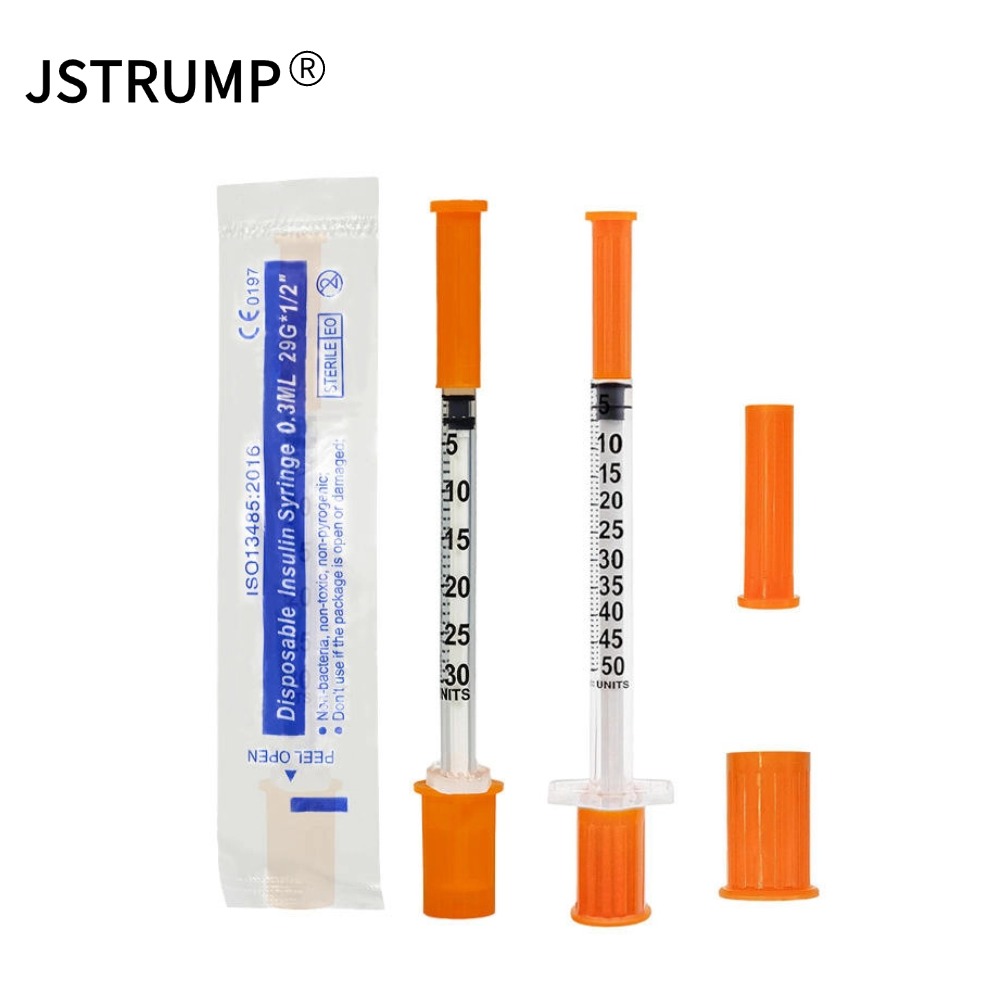
| Syringes and needles | Assist with injection, irrigation, or fluid delivery | Volume, gauge, needle type, luer-lock or slip tip |
| Suture materials | Enable wound closure | Length, size, absorption profile, needle shape |
| Adhesive dressings | Protect the wound after treatment | Shape, adhesive strength, breathable backing |
| Tray or tray liner | Organize kit contents during procedure | Material, compartment style, dimensions |
| Gloves and protective items | Support hygiene and barrier protection | Material, size, powder-free options, sterile pair packing |
By building kits around these components, an experienced medical consumables manufacturer can create a highly functional custom solution that
supports both clinical performance and procurement simplicity.
An experienced medical consumables manufacturer brings technical knowledge, production discipline, and sterilization control to the customization
process. This is especially important in aesthetic medicine, where procedures may vary widely and where product consistency is essential.
The customization process usually starts with a detailed needs assessment. The clinic provides information about procedure type, preferred kit
contents, sterile packaging format, order volume, labeling requirements, and storage expectations. The manufacturer then designs the kit structure,
confirms material compatibility, and selects the right sterilization and packing method.
Mature manufacturers often provide:
This full-service approach helps aesthetic clinics source sterile surgery kits that are not only practical but also reliable across repeated production
cycles.
Custom sterile surgery kits can be adjusted in many ways. The best manufacturers do not simply bundle standard items together; they build a
kit architecture that reflects the clinic’s actual procedure flow.
| Customization Area | Available Adjustments | Why It Matters |
|---|---|---|
| Kit contents | Item selection, quantity, tool mix, dressings, disposables | Matches specific treatment protocols |
| Packaging format | Single pouch, double pouch, tray pack, wrap pack | Improves handling and opening efficiency |
| Sterility method | ETO, gamma, or other validated sterilization options | Supports product safety and compatibility |
| Labeling | Procedure name, lot number, expiry date, barcode | Improves traceability and inventory control |
| Brand presentation | Clinic label, neutral label, multilingual marking | Supports professional image and international use |
| Kit size | Compact, standard, expanded, multi-step pack | Fits storage and use-case requirements |
| Material grade | Nonwoven fabrics, medical paper, plastic film, absorbent materials | Impacts durability, comfort, and performance |
| Workflow order | Items arranged by use sequence | Reduces setup time and confusion during procedures |
Quality control is one of the most important factors when sourcing sterile surgery kits for aesthetic clinics. Because these products are used in
direct patient care, they must meet strict expectations for sterility, material quality, packaging integrity, and repeatability.
A strong quality system should include incoming material inspection, in-process checks, final packaging verification, sterilization records,
and stability monitoring. The manufacturer should also maintain traceability for raw materials, batch codes, and sterilization loads.
| Quality Checkpoint | What Is Reviewed | Purpose |
|---|---|---|
| Raw material inspection | Material grade, cleanliness, compatibility | Prevents defective inputs from entering production |
| Assembly verification | Item count, correct placement, correct sequence | Ensures every kit matches the intended specification |
| Packaging integrity | Seal strength, pouch condition, leakage resistance | Protects sterility during transport and storage |
| Sterilization validation | Process parameters, load records, biological confirmation | Confirms sterility assurance |
| Label accuracy | Lot number, expiration, product description | Supports compliance and traceability |
| Final release review | Documentation, appearance, packing consistency | Approves safe shipment to the clinic |
When clinics work with a proven manufacturer, they gain confidence that each kit meets both clinical expectations and logistical needs.
The following table provides a general specification reference for customized sterile surgery kits used in aesthetic medical environments.
These are common industry guidelines rather than fixed requirements.
| Specification Item | Typical Range or Option | Notes |
|---|---|---|
| Sterility level | Sterile, validated by approved process | Must remain protected until point of use |
| Packaging type | Single-use pouch, double wrap, tray pack | Chosen based on procedure and storage needs |
| Material composition | Nonwoven, medical-grade plastic, paper, absorbent fiber | Should be compatible with sterilization method |
| Kit weight | Light to medium, based on contents | Important for shipping cost and handling |
| Shelf life | Defined by validation and packaging stability | Depends on barrier performance and storage conditions |
| Labeling data | Product name, lot number, expiry, sterilization method | Useful for tracking and audit readiness |
| Use type | Single procedure or multi-step procedural support | Should align with clinic workflow |
| Customization level | Basic, moderate, fully customized | Depends on clinic volume and specialty focus |
Sterile packaging is not just a manufacturing detail; it is a clinical safeguard. In aesthetic treatment environments, where procedures may be
performed in compact rooms or ambulatory settings, packaging must reliably maintain product integrity until the moment of use. Any compromise
in sterile barrier performance can affect patient safety and clinic reputation.
Good packaging also improves staff efficiency. Easy-open pouches, clear labeling, and organized placement of items help teams work faster and
with fewer interruptions. In a high-throughput aesthetic clinic, those small improvements can have a major cumulative effect.
Aesthetic medical clinics often look for packaging that is both functional and clean in appearance. Professionally designed sterile packs
communicate quality, order, and attention to detail, which can align with the premium branding commonly associated with cosmetic care.
One of the strongest reasons clinics move toward custom sterile surgery kits is cost control. While the initial planning process may take time,
custom kits often reduce hidden expenses across purchasing, storage, staff labor, and waste disposal.
Instead of buying multiple separate consumables and assembling them before each case, the clinic receives one procedure-specific pack.
This simplifies purchasing records, reduces the chance of missing items, and helps avoid overstocking products that are rarely used.
| Cost Area | How Custom Kits Help | Result |
|---|---|---|
| Procurement | One kit replaces multiple separate SKUs | Simplifies ordering and vendor management |
| Storage | Standardized packs reduce shelf clutter | Improves space use in supply rooms |
| Staff time | Less manual assembly before procedures | Frees staff for patient-facing tasks |
| Waste reduction | Only required items are included | Reduces expired or unused stock |
| Error prevention | Predefined kit contents lower assembly mistakes | Helps avoid procedure delays |
| Shipping efficiency | Consolidated packaging can reduce logistics complexity | Supports easier supply chain planning |
Selecting the right manufacturer is essential for long-term success. Aesthetic clinics should focus on technical competence, quality systems,
customization flexibility, and consistency of supply. The ideal partner is one that understands both medical use requirements and
commercial production realities.
A capable manufacturer can help turn a clinic’s workflow into a repeatable, sterile, and efficient consumables system.
For blog and directory page optimization, the following keyword phrases may help improve relevance around the topic of
aesthetic medical clinics and customized sterile surgery kits:
| Primary Keyword | Related Keywords | Search Intent |
|---|---|---|
| custom sterile surgery kits | sterile surgical kit manufacturer, custom procedure kits, sterile medical consumables | Procurement and product sourcing |
| aesthetic medical clinics | cosmetic clinics, aesthetic surgery centers, beauty medical practices | Industry-specific use case |
| medical consumables manufacturer | sterile consumables supplier, disposable medical products factory, procedure kit producer | Supplier discovery |
| customized surgical kits | procedure-specific packs, tailored medical kits, sterile assembled kits | Customization and product development |
| sterile surgery kits for clinics | clinic procedure kits, disposable surgery packs, medical dressing kits | Clinic operations and sourcing |
A suitable kit should be sterile, easy to open, organized for the procedure, and assembled with medical-grade consumables that support
safe treatment and efficient workflow.
Yes. Most experienced manufacturers can customize kit contents, packaging format, and labeling based on the specific aesthetic procedure.
Separate consumables take more time to gather, increase the chance of missing items, and create more handling steps. A custom kit
simplifies preparation and improves consistency.
No. They can also support injections, wound care, dressing changes, laser procedures, and other minor aesthetic treatments that require
sterile or clean procedural setup.
Clinics should confirm contents, sterility method, packaging integrity, labeling accuracy, shelf life, and the manufacturer’s quality control process.
As aesthetic medicine continues to expand, the demand for efficient, sterile, and procedure-specific consumables will continue to rise.
Customized sterile surgery kits help clinics streamline operations, improve infection control, reduce waste, and deliver a more professional
treatment environment. By partnering with an experienced medical consumables manufacturer, aesthetic medical clinics can create tailored kit
solutions that meet practical workflow needs and support consistent clinical standards.
Whether used for minor surgery, wound care, injections, or post-treatment dressing, custom sterile kits are a valuable tool for modern
aesthetic practice. They combine convenience, quality, and flexibility in a way that benefits both healthcare teams and patients.
```
This website uses cookies to ensure you get the best experience on our website.



 Phone
Phone
Comment
(0)