
Healthcare Providers Increase Adoption of High Quality Medical Disposable Supplies
Introduction
Understanding Medical Disposable Supplies
Why Healthcare Providers Are Increasing Adoption
The Growing Importance of Quality in Healthcare Consumables
Major Categories of Medical Disposable Supplies
Benefits of High Quality Medical Disposable Supplies
Product Features and Technical Characteristics
Common Specifications of Medical Disposable Products
Infection Prevention and Patient Safety
Quality Management and Regulatory Compliance
Applications Across Healthcare Settings
Supply Chain Reliability and Inventory Management
Material Innovations in Medical Disposable Supplies
Manufacturing Technologies and Automation
Sustainability Trends in Disposable Medical Products
Challenges and Opportunities in the Industry
Future Outlook for Medical Disposable Supplies
Frequently Asked Questions
Conclusion
Introduction
Healthcare providers around the world are increasingly adopting high quality Medical Disposable Supplies to improve patient safety, enhance clinical efficiency, reduce infection risks, and support reliable healthcare delivery. Hospitals, clinics, laboratories, ambulatory care centers, emergency departments, and home healthcare providers rely on disposable medical products every day to perform diagnostic procedures, administer treatments, collect specimens, and manage patient care.
As healthcare standards continue to evolve, the demand for advanced Medical Disposable Supplies has grown significantly. Modern healthcare organizations prioritize products that offer consistent quality, regulatory compliance, superior safety features, reliable performance, and efficient usability. These expectations have encouraged manufacturers to invest heavily in advanced production technologies, material innovation, quality management systems, and sustainable manufacturing practices.
High quality disposable medical products help healthcare providers maintain strict hygiene standards while improving operational workflows and clinical outcomes. Their role has become increasingly important as healthcare systems face growing patient populations, increased chronic disease prevalence, aging demographics, and expanding healthcare infrastructure.
This comprehensive guide explores why healthcare providers continue increasing adoption of high quality Medical Disposable Supplies, the advantages these products offer, key product categories, specifications, manufacturing standards, industry trends, and future developments.
Understanding Medical Disposable Supplies
Medical Disposable Supplies are healthcare products designed for single-use applications. After use, the product is safely discarded to prevent contamination and reduce the risk of infection transmission.
These products support a wide range of healthcare activities including:
Patient diagnosis
Medication administration
Intravenous therapy
Blood collection
Infection prevention
Surgical procedures
Laboratory testing
Emergency treatment
Disposable products have become a cornerstone of modern healthcare because they support consistent hygiene standards and reduce operational complexity.
Definition of Medical Disposable Supplies
Medical Disposable Supplies refer to single-use medical products manufactured for clinical, diagnostic, therapeutic, and monitoring purposes.
These products are intended to:
Protect patients
Protect healthcare professionals
Prevent cross contamination
Improve procedural efficiency
Support standardized healthcare practices
Their widespread use has transformed healthcare delivery across the world.
Why Healthcare Providers Are Increasing Adoption
Healthcare organizations continue increasing their use of disposable medical products for several important reasons.
Patient safety remains the highest priority for healthcare providers.
High quality Medical Disposable Supplies help reduce risks associated with:
Healthcare-associated infections
Product failures
Cross contamination
Procedural complications
As patient safety initiatives become more rigorous, disposable products play an increasingly important role.
Infection control programs have become more sophisticated.
Disposable medical products support infection prevention by:
Eliminating product reuse
Maintaining sterile conditions
Reducing contamination opportunities
Supporting aseptic procedures
Healthcare facilities increasingly rely on disposable solutions to meet infection control objectives.
Healthcare providers must comply with strict regulations and quality standards.
High quality Medical Disposable Supplies help support:
Regulatory compliance
Clinical documentation
Patient safety programs
Quality management initiatives
These requirements encourage adoption of advanced disposable products.
The Growing Importance of Quality in Healthcare Consumables
Quality is one of the most important factors influencing purchasing decisions.
Healthcare organizations recognize that product quality directly affects:
Clinical performance
Treatment outcomes
Operational efficiency
Patient satisfaction
Reliable products reduce complications and improve healthcare delivery.
| Quality Factor | Clinical Impact |
|---|---|
| Consistency | Reliable procedures |
| Sterility | Infection prevention |
| Durability | Improved performance |
| Precision Manufacturing | Better clinical outcomes |
| Material Quality | Enhanced safety |
Healthcare providers increasingly prioritize products that consistently meet performance expectations.
Major Categories of Medical Disposable Supplies
Medical Disposable Supplies include a broad range of healthcare products.
IV Access Devices remain among the most commonly used disposable medical products.
Examples include:
Safety IV Cannulas
Extension Sets
Infusion Accessories
Applications:
Fluid administration
Medication delivery
Blood transfusion
Emergency care
Blood collection products support diagnostic testing and patient monitoring.
Examples include:
Safety Lancets
Disposable Lancets
Blood Sampling Devices
Benefits:
Accurate specimen collection
Improved patient comfort
Reduced contamination risk
Injection-related consumables are essential throughout healthcare systems.
Examples include:
Injection Needles
Safety Injection Devices
Used in:
Vaccination programs
Medication administration
Emergency treatment
Infusion products support:
Intravenous medications
Nutritional therapy
Fluid replacement
These products are critical in hospitals and outpatient facilities.
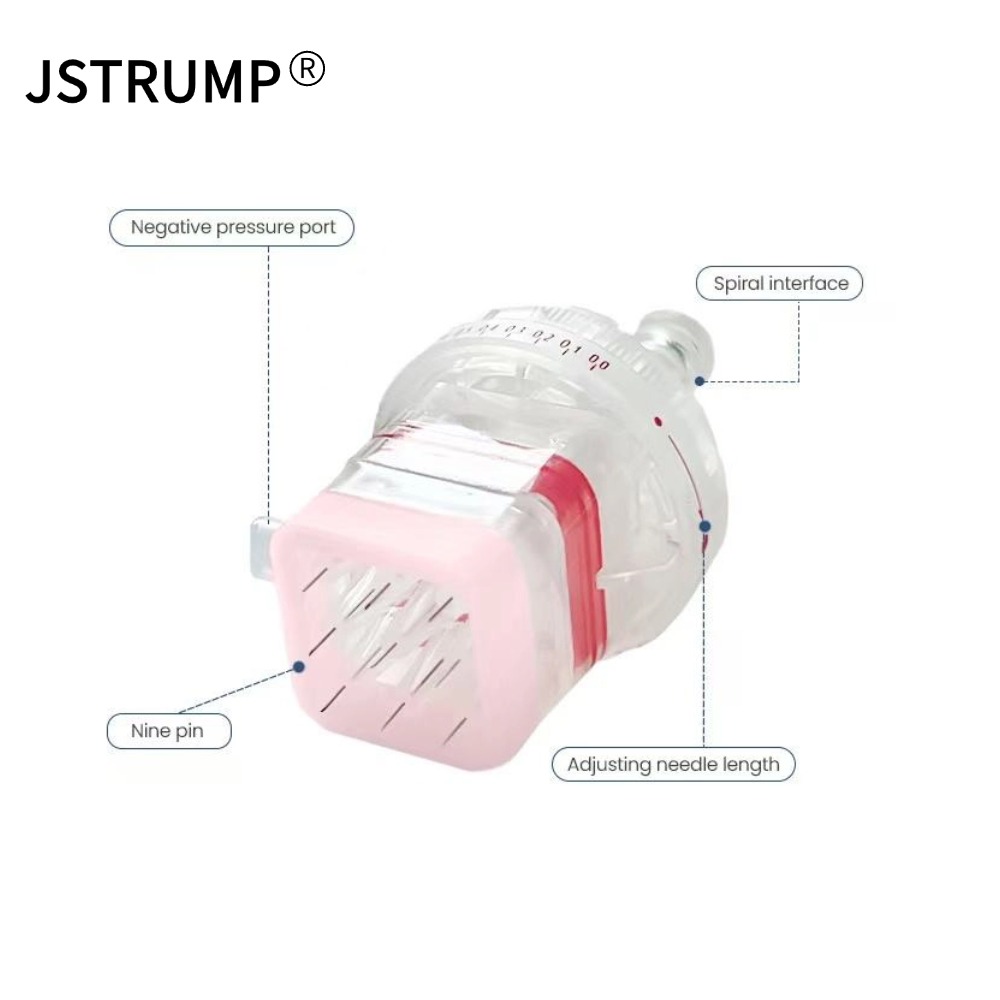
Diagnostic products assist healthcare professionals with testing and monitoring activities.
Examples include:
Sample collection devices
Laboratory accessories
Diagnostic testing supplies
Benefits of High Quality Medical Disposable Supplies
Healthcare providers experience numerous benefits from adopting high quality products.
High quality products help reduce:
Clinical complications
Product-related risks
Infection transmission
Patient safety improvements remain a primary driver of adoption.
Disposable products support infection prevention by reducing opportunities for contamination.
Benefits include:
Cleaner healthcare environments
Improved hygiene practices
Reduced pathogen transmission
Reliable products help healthcare professionals work more efficiently.
Advantages include:
Reduced procedural delays
Faster treatment delivery
Improved staff productivity
Consistency helps healthcare providers achieve predictable outcomes.
Reliable products contribute to:
Better treatment quality
Improved patient experiences
Reduced operational disruptions
Product Features and Technical Characteristics
High quality Medical Disposable Supplies typically incorporate advanced design features.
Sterile packaging
Medical grade materials
Precision manufacturing
Ergonomic design
Reliable performance
These features support safe and efficient healthcare delivery.
| Feature | Benefit |
|---|---|
| Sterility | Infection prevention |
| Single Use Design | Reduced contamination |
| Precision Manufacturing | Consistency |
| Medical Grade Materials | Patient safety |
| Ergonomic Design | Ease of use |
Common Specifications of Medical Disposable Products
Specifications vary depending on product category.
| Specification | Description |
|---|---|
| Product Type | Disposable Medical Product |
| Intended Use | Single Use |
| Material | Medical Grade |
| Sterility | Sterile or Non-Sterile |
| Packaging | Individual or Bulk |
| Shelf Life | Manufacturer Defined |
| Storage Conditions | Controlled Environment |
| Compliance | Applicable Standards |
These specifications help healthcare providers evaluate product suitability.
Infection Prevention and Patient Safety
Infection prevention remains one of the most important benefits of Medical Disposable Supplies.
Disposable products help:
Reduce cross contamination
Maintain sterile procedures
Support hygiene protocols
Protect healthcare workers
Healthcare-associated infection prevention continues to drive product adoption.
| Benefit | Impact |
|---|---|
| Single Use Design | Reduced contamination |
| Sterile Packaging | Product integrity |
| Safety Features | Worker protection |
| Consistent Quality | Improved patient safety |
Quality Management and Regulatory Compliance
Medical Disposable Supplies are manufactured under strict quality systems.
Quality management focuses on:
Product consistency
Risk reduction
Regulatory compliance
Continuous improvement
Manufacturers commonly implement:
Material inspection
Process validation
Functional testing
Packaging verification
Sterility assurance
These activities help ensure product reliability.
Healthcare providers often evaluate products based on:
Quality documentation
Manufacturing controls
Product testing
Traceability systems
Strong quality programs help support purchasing decisions.
Applications Across Healthcare Settings
Medical Disposable Supplies are used in virtually every healthcare environment.
Hospitals utilize disposable products for:
Emergency care
Surgery
Intensive care
General treatment
Clinics rely on disposable products for:
Examinations
Injections
Diagnostic procedures
Laboratories use disposable products for:
Specimen collection
Sample handling
Testing procedures
Growing home healthcare services increase demand for:
Lancets
Syringes
Monitoring consumables
Supply Chain Reliability and Inventory Management
Reliable supply chains are critical for healthcare providers.
Benefits of dependable supply include:
Reduced shortages
Improved planning
Better patient care continuity
Healthcare organizations increasingly evaluate suppliers based on supply reliability.
| Advantage | Benefit |
|---|---|
| Stable Supply | Continuous care |
| Inventory Visibility | Better planning |
| Reduced Lead Times | Faster delivery |
| Product Availability | Improved operations |
Material Innovations in Medical Disposable Supplies
Material science continues improving product performance.
Modern materials offer:
Better flexibility
Increased durability
Enhanced biocompatibility
Improved manufacturing efficiency
Material innovation contributes to both safety and usability improvements.
Manufacturing Technologies and Automation
Advanced manufacturing technologies support higher quality products.
Common technologies include:
Automated assembly
Precision molding
Digital monitoring systems
Process analytics
| Technology | Benefit |
|---|---|
| Automation | Consistency |
| Precision Molding | Accuracy |
| Digital Monitoring | Process control |
| Traceability Systems | Compliance support |
Sustainability Trends in Disposable Medical Products
Environmental sustainability is becoming increasingly important.
Manufacturers are exploring:
Waste reduction initiatives
Sustainable packaging
Resource optimization
Energy-efficient production
Healthcare organizations increasingly consider environmental impact when evaluating products.
Challenges and Opportunities in the Industry
Common industry challenges include:
Regulatory complexity
Cost pressures
Supply chain disruptions
Material availability
Growth opportunities include:
Healthcare expansion
Emerging markets
Product innovation
Advanced manufacturing
The industry continues evolving to meet changing healthcare needs.
Future Outlook for Medical Disposable Supplies
Future developments may include:
Enhanced safety technologies
Smart product integration
Improved materials
Sustainable manufacturing solutions
Demand is expected to remain strong as healthcare systems continue expanding worldwide.
Frequently Asked Questions
Medical Disposable Supplies are single-use healthcare products designed for diagnostic, therapeutic, monitoring, and infection prevention applications.
Disposable products help reduce contamination risks, improve efficiency, and support infection control programs.
Examples include IV Access Devices, syringes, blood collection products, infusion products, and diagnostic consumables.
They reduce cross contamination, support sterile procedures, and provide consistent performance.
High quality products improve reliability, safety, and clinical outcomes.
Conclusion
Healthcare Providers Continue Increasing Adoption of High Quality Medical Disposable Supplies because these products play a vital role in patient safety, infection prevention, clinical efficiency, and healthcare quality. From IV Access Devices and blood collection products to syringes, infusion products, and diagnostic consumables, disposable medical products support nearly every aspect of healthcare delivery.
Advances in manufacturing technology, quality management systems, material science, and safety engineering continue improving product performance and reliability. As healthcare systems expand and patient expectations rise, high quality Medical Disposable Supplies will remain essential components of modern healthcare infrastructure, supporting safer, more efficient, and more effective patient care worldwide.
This website uses cookies to ensure you get the best experience on our website.






 Phone
Phone
Comment
(0)