
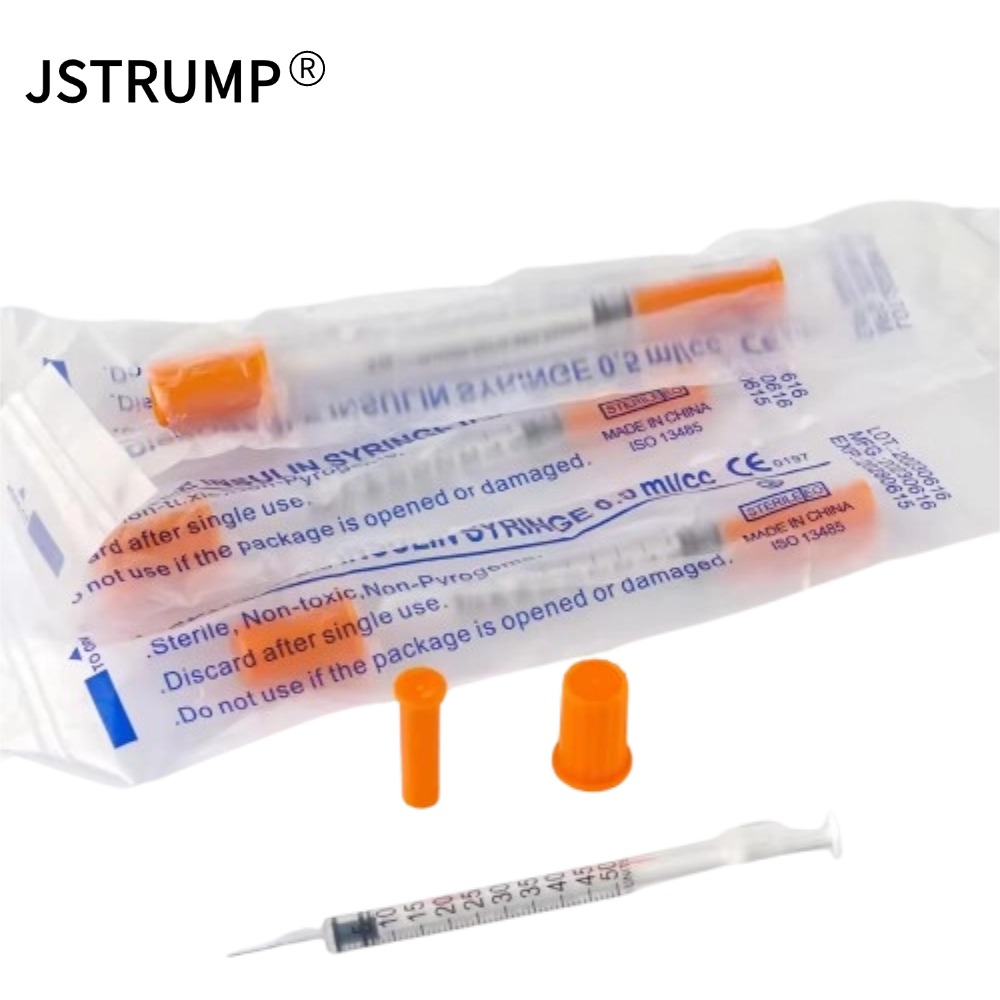
Military medical stations operate in demanding environments where speed, hygiene, reliability, and portability are critical.
In field conditions, emergency response teams need durable disposable emergency medical supplies that can support rapid triage,
wound care, infection control, patient stabilization, and casualty transport without adding unnecessary weight or logistical burden.
This makes disposable medical products a core part of military medical station readiness, especially in combat zones, training camps,
disaster response operations, remote deployments, and mobile medical units.
The phrase Military Medical Stations Deploy Durable Disposable Emergency Medical Supplies reflects a practical procurement
and operational strategy: field medical stations require medical disposables that are compact, sterile, easy to store, quick to use,
and resilient enough to perform under harsh conditions. These supplies are designed for single use or limited use, helping reduce
cross-contamination, streamline cleanup, and maintain a high standard of emergency care even when resources are constrained.
In modern military healthcare logistics, disposable emergency medical supplies are not just convenience items. They are essential tools
that support mission continuity, infection prevention, casualty throughput, and operational efficiency. Whether used in forward aid stations,
temporary treatment tents, evacuation points, or mobile emergency response kits, these products help medical teams deliver fast and
effective care.
Durable disposable emergency medical supplies are single-use or limited-use medical products engineered to withstand
demanding field conditions while remaining hygienic, lightweight, and easy to deploy. In military medical stations, these supplies are
commonly selected for their strength, sterile packaging, resistance to tearing or leakage, and compatibility with emergency procedures.
The term “durable” in this context does not mean reusable. Instead, it refers to the product’s ability to maintain integrity during storage,
transport, handling, and use. A durable disposable item should not fail under pressure, should not easily break or tear, and should remain
functional in a wide range of temperatures and deployment conditions.
These products often include wound dressings, gauze, bandages, gloves, masks, syringes, IV components, suction accessories, disposable
drapes, specimen containers, emergency blankets, burn dressings, and trauma care items. Their purpose is to allow military medics to act
quickly and safely with minimal setup time.
Military medical stations must function in fast-moving environments where patient volume can rise suddenly and sanitation conditions may be
limited. Disposable emergency medical supplies offer a practical solution because they reduce the need for cleaning, sterilization, and
complex equipment maintenance.
In field medicine, every second matters. Disposable supplies allow medics and emergency personnel to open, use, and discard materials
quickly, which is especially important during mass casualty events, combat injuries, natural disasters, or evacuation operations.
This supports faster triage and treatment while preserving critical resources.
These supplies also help military medical stations maintain infection control. Since many disposable items are intended for single-use,
they help prevent cross-contamination between patients and reduce the risk of healthcare-associated infections. In environments where water,
electricity, and sterilization systems may be limited, this advantage becomes even more important.
Another major benefit is logistical efficiency. Disposable emergency supplies can be packed into compact kits, stored in standardized cases,
and distributed across multiple field locations. This makes supply chain planning simpler and supports rapid deployment of medical capacity.
| Advantage | Description | Operational Benefit for Military Medical Stations |
|---|---|---|
| Single-use hygiene | Designed for one-time use to reduce contamination risk. | Supports safer treatment in field and combat environments. |
| Fast deployment | Easy to open, use, and discard with minimal preparation. | Improves response time during trauma and mass casualty incidents. |
| Compact storage | Lightweight and space-saving compared with many reusable systems. | Fits mobile kits, aid stations, and forward medical packs. |
| Reduced sterilization needs | No cleaning or reprocessing required after use. | Simplifies field operations where sterilization is difficult. |
| Durable packaging | Often sealed to resist moisture, dust, and rough handling. | Improves reliability during transport and storage. |
| Cross-contamination control | Limits patient-to-patient transfer of pathogens. | Enhances infection prevention and medical safety. |
| Standardized supply management | Common sizes and formats simplify inventory planning. | Supports efficient resupply across multiple stations. |
These advantages explain why disposable emergency medical supplies are widely used in military healthcare logistics. They combine practical
performance with operational simplicity, making them ideal for uncertain and high-risk environments.
Military medical stations typically stock a broad range of disposable items to cover trauma care, first aid, infection prevention,
airway support, and emergency stabilization. Below are some of the most common categories used in field settings.
| Category | Typical Items | Main Function |
|---|---|---|
| Wound care supplies | Gauze pads, dressings, bandages, adhesive tapes, wound pads | Control bleeding, protect injuries, support wound coverage |
| Trauma care items | Hemostatic gauze, pressure dressings, trauma bandages, chest seals | Manage severe bleeding and traumatic injuries |
| Infection control products | Gloves, masks, gowns, shoe covers, disinfecting wipes | Reduce contamination and improve hygiene |
| Airway and respiratory items | Oropharyngeal airways, oxygen masks, suction catheters | Support breathing and airway management |
| Injection and fluid management | Syringes, IV sets, catheters, infusion accessories | Deliver medications and fluids |
| Diagnostic disposables | Specimen cups, test strips, lancets, swabs | Support basic testing and evaluation |
| Patient comfort and thermal protection | Emergency blankets, disposable sheets, body covers | Maintain body temperature and patient comfort |
| Contamination control and waste management | Biohazard bags, sharps containers, disposal bags | Support safe waste handling in field stations |
In military and emergency medicine, these categories are often organized into standardized kits so they can be used immediately when
a casualty arrives. The exact contents vary depending on mission type, climate, patient load, and the expected level of trauma care.
When selecting durable disposable emergency medical supplies for military medical stations, procurement teams typically evaluate dimensions,
material quality, packaging, shelf life, sterility, and environmental resistance. The following specification table shows common examples of
the type of data used in industry descriptions and catalog pages.
| Product Type | Common Specification Range | Key Performance Feature |
|---|---|---|
| Disposable nitrile gloves | S, M, L, XL; powder-free; 4–8 mil thickness | Tear resistance, tactile sensitivity, chemical protection |
| Sterile gauze pads | 2 x 2 in, 4 x 4 in, custom sizes | High absorbency, sterile wound coverage |
| Elastic bandages | 2 in, 3 in, 4 in, 6 in widths | Compression support and secure wrapping |
| Trauma dressings | 8 x 10 in, 12 x 30 in, various absorbency levels | Rapid bleeding control and pressure application |
| Medical face masks | 3-layer construction, ear-loop or tie-on styles | Barrier protection and droplet reduction |
| Disposable gowns | Polypropylene or composite fabric, fluid-resistant options | Protection against splashes and contamination |
| Emergency blankets | Approx. 130 x 210 cm, reflective foil material | Thermal insulation and shock prevention support |
| IV infusion sets | Standard drip chamber, sterile packaging, DEHP-free options | Controlled fluid delivery |
| Specimen containers | Leak-resistant, capped, labeled capacities from 30 ml to 100 ml | Safe sample storage and transport |
| Biohazard waste bags | Red or marked bags, multiple thickness levels | Safe disposal and contamination containment |
The performance of disposable emergency medical supplies depends heavily on material selection. In military medical stations, materials must
balance strength, sterility, flexibility, and cost efficiency. Many products use nonwoven fabrics, medical-grade plastics, absorbent cellulose,
latex-free elastomers, and aluminum-coated thermal films.
For example, gloves may be made from nitrile or vinyl to provide puncture resistance and chemical protection. Wound dressings often combine
absorbent cotton or synthetic fibers with adhesive backings or compression components. Disposable gowns and drapes frequently use
polypropylene or SMS composite materials because they offer a practical balance of barrier protection and breathability.
Packaging materials are also essential. Field medical products should be sealed to protect sterility and resist dust, humidity, and rough
handling. In military environments, robust packaging helps preserve product integrity during transport over long distances and under variable
climate conditions.
Another important factor is latex-free design. Many military medical stations prefer latex-free disposable supplies to reduce allergy risk
and improve compatibility across diverse patient populations and staff members.
Although disposable products are designed for single use, durability remains a crucial requirement. In military operations, disposable items
may be exposed to vibration, compression, heat, cold, moisture, and repeated movement before they are ever used. If the packaging fails or
the product tears too easily, the item becomes unreliable in an emergency.
Durable disposable emergency medical supplies help prevent waste, reduce replacement frequency, and maintain confidence in the medical supply
chain. A durable product is less likely to be damaged in transit and more likely to remain sterile until needed. This is especially important
for mission-critical items such as trauma dressings, gloves, airway accessories, and IV components.
In addition, durability supports field usability. A product that opens cleanly, holds its shape, and performs consistently during treatment
reduces stress on medical personnel and allows them to focus on the patient instead of the supply. For this reason, durability is a key
procurement criterion in military medical logistics.
Military medical stations use disposable emergency supplies across many operational scenarios. These include battlefield triage, routine
training injuries, disaster relief, humanitarian missions, mass evacuation, and temporary treatment in remote locations.
Because military medical stations may need to relocate quickly, disposable supplies are often favored over more complex reusable systems.
They can be packed, moved, issued, and replaced with minimal administrative burden.
Proper storage is critical for maintaining the readiness of durable disposable emergency medical supplies. Military medical stations often
keep inventory in sealed containers, climate-controlled units, or rugged field cases to protect products from heat, humidity, light,
and contamination.
Shelf life varies by product type, packaging method, and material composition. Sterile items typically carry expiration dates and should be
rotated using first-in, first-out inventory practices. This helps ensure that supplies remain usable and compliant with internal medical
standards.
For field deployment, packaging should be compact, clearly labeled, and easy to inspect. Transparent or color-coded packaging can speed up
identification, while tamper-evident seals help confirm whether sterility has been preserved.
Infection prevention is one of the most important reasons military medical stations deploy disposable emergency medical supplies. In
crowded or high-stress environments, the risk of contamination can rise quickly. Disposable products help reduce that risk by limiting
repeated contact between patients, providers, and contaminated surfaces.
Single-use gloves, masks, gowns, and wound care materials create physical barriers that support safer treatment. After use, they can be
removed and discarded according to biohazard protocols, helping break the chain of transmission. This approach is highly valuable in field
medicine, where full sterilization infrastructure may not be available.
In addition, disposable waste bags and sharps containers help separate contaminated materials from clean supplies. This makes the treatment
environment easier to manage and reduces the chance of accidental exposure.
Procurement teams evaluating durable disposable emergency medical supplies usually consider several core criteria. These criteria help ensure
that the products can perform reliably under field conditions and meet operational demands.
| Selection Criterion | What to Evaluate | Why It Matters |
|---|---|---|
| Sterility | Sterile packaging, seal integrity, contamination control | Protects patient safety and product readiness |
| Durability | Resistance to tearing, leakage, crushing, and environmental stress | Ensures performance in transport and field use |
| Material quality | Medical-grade, latex-free, fluid-resistant, or absorbent materials | Improves comfort, safety, and function |
| Pack size and weight | Compact dimensions and easy portability | Supports mobile and rapid-response operations |
| Shelf life | Expiration date and storage stability | Maintains readiness over time |
| Ease of use | Quick opening, clear labeling, simple application | Speeds up emergency treatment |
| Compatibility | Works with standard military medical kits and protocols | Improves deployment consistency |
| Waste handling | Safe disposal requirements and biohazard support | Helps maintain clean field operations |
For content planning, catalog pages, and industry articles, the following keyword themes are commonly associated with this topic. These
terms can help improve search visibility when used naturally and in context:
These keywords are broad, industry-focused, and suitable for SEO content that targets procurement, logistics, emergency preparedness,
medical supply planning, and field healthcare deployment.
The market for durable disposable emergency medical supplies continues to evolve as military and emergency response needs become more
complex. One major trend is the growing emphasis on lighter-weight, more compact packaging that still preserves sterility and strength.
Another trend is the use of improved barrier materials that offer better fluid resistance and puncture protection.
There is also increasing attention to standardized kits. Military medical stations benefit from pre-organized supply bundles because they
reduce setup time and make it easier to resupply multiple locations with consistent inventory. Standardization also helps training,
as staff can quickly learn where items are stored and how they are used.
Sustainability is another developing topic in the medical supply industry. While disposability remains essential in many field settings,
manufacturers and procurement teams increasingly consider packaging efficiency, material optimization, and waste reduction where possible.
A clear checklist can improve medical station readiness and ensure that durable disposable emergency medical supplies are available when
needed. A practical checklist typically groups products by function and keeps quantities aligned with mission size and patient volume.
| Checklist Area | Example Items | Purpose |
|---|---|---|
| Personal protection | Gloves, masks, gowns, face shields | Protect staff and patients from contamination |
| Bleeding control | Gauze, pressure dressings, trauma bandages | Manage wounds and stop severe bleeding |
| Airway support | Airway adjuncts, suction accessories, oxygen masks | Support breathing and airway management |
| Medication delivery | Syringes, IV sets, catheters | Support infusion and emergency treatment |
| Patient care and comfort | Blankets, sheets, covers | Protect body temperature and comfort |
| Waste control | Biohazard bags, sharps containers | Support safe disposal and station cleanliness |
Using a checklist-based system helps military medical stations stay prepared for changing conditions while reducing the chance of
inventory shortages.
Military Medical Stations Deploy Durable Disposable Emergency Medical Supplies because these products deliver the
speed, hygiene, portability, and reliability required in field operations. From trauma treatment and infection prevention to airway
support and waste management, disposable medical supplies are a foundational part of emergency readiness.
Their value lies in a combination of practical features: sterile packaging, compact storage, strong material performance, easy use, and
single-use contamination control. For military medical stations, these qualities support efficient patient care under difficult conditions
and help maintain operational continuity in both planned and emergency deployments.
As field medicine continues to evolve, durable disposable emergency medical supplies will remain essential for military healthcare teams,
mobile emergency units, and tactical medical operations that require fast, dependable, and hygienic solutions.
```
This website uses cookies to ensure you get the best experience on our website.



 Phone
Phone
Comment
(0)