
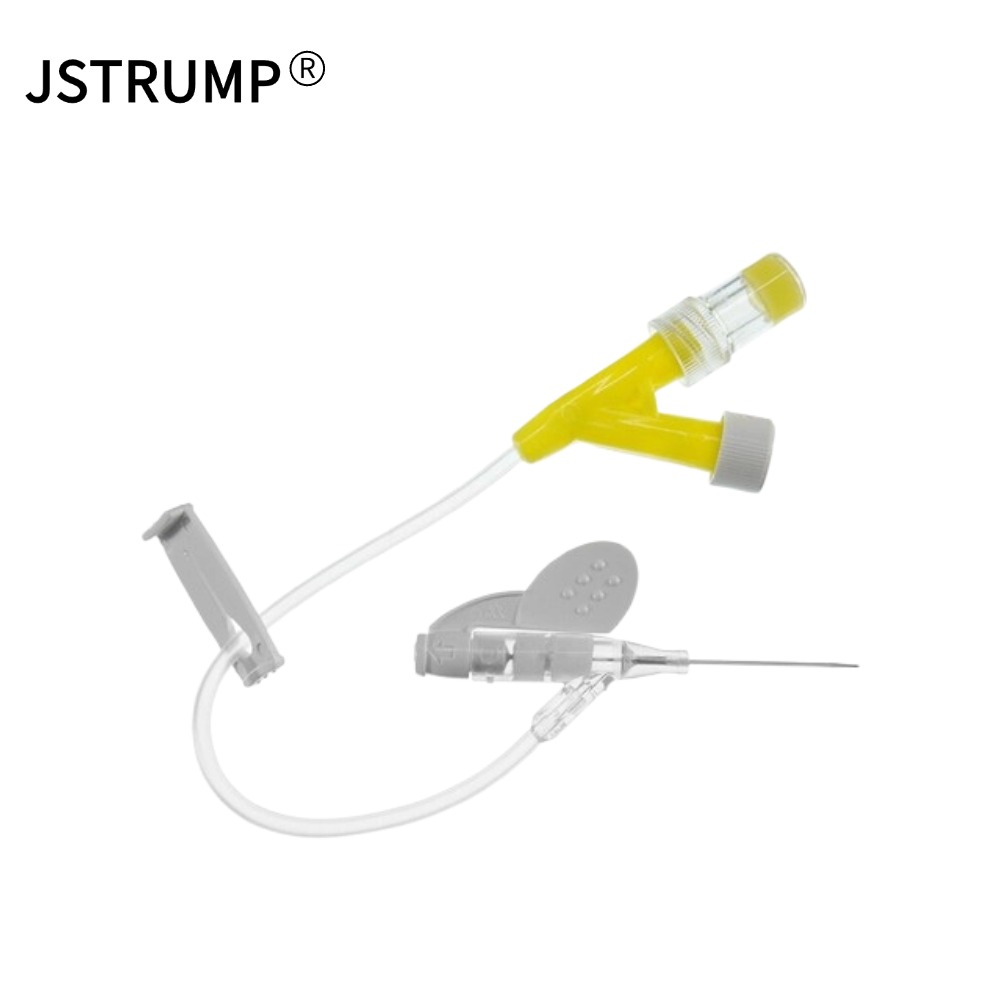
Outpatient surgery centers are increasingly choosing all-in-one procedure kits from a
certified medical consumables manufacturer to improve clinical efficiency, reduce preparation time,
support sterile workflow, and standardize procedure delivery. In a fast-paced ambulatory environment, every minute
matters. Procedure kits that arrive preassembled, prepackaged, and quality controlled can help surgical teams focus
more on patient care and less on manual product gathering.
This topic is highly relevant for healthcare procurement teams, ambulatory surgery administrators, infection control
specialists, operating room managers, and medical sourcing professionals looking for reliable, scalable, and
cost-efficient consumable solutions. Whether used in minor procedures, diagnostic interventions, wound care, or
same-day surgeries, all-in-one kits are now a widely adopted supply chain strategy for outpatient facilities.
The information below provides a complete industry overview, including definitions, key benefits, procurement
considerations, common specifications, quality standards, and search-friendly insights for blogs, category pages,
service pages, and healthcare industry directories.
All-in-one procedure kits are preassembled medical consumable packages that combine multiple
sterile or non-sterile items required for a specific medical procedure. These kits are designed to streamline
setup, reduce the need for individual product selection, and improve consistency across outpatient surgery
workflows.
A procedure kit may include items such as drapes, gowns, gloves, gauze, syringes, swabs, sponges, dressings,
forceps, prep materials, trays, or other disposable consumables depending on the procedure type. The exact
configuration varies based on the clinical use case, healthcare facility requirements, and local regulatory
expectations.
For outpatient surgery centers, these kits are especially valuable because they support quick turnaround times,
minimize supply handling, and help reduce the risk of missing essential items before a procedure begins.
Outpatient surgery centers operate under pressure to maintain high patient throughput, efficient staffing, and
strict infection control. Compared with large hospital systems, ambulatory centers often work with leaner teams and
tighter schedule coordination. This makes standardized consumable kits particularly attractive.
Purchasing from a certified medical consumables manufacturer offers additional confidence in
product consistency, manufacturing controls, material traceability, and compliance support. For centers that
prioritize operational reliability, certification is a major procurement advantage.
A certified medical consumables manufacturer is a producer of healthcare disposable products that
operates under recognized quality management and regulatory frameworks. Certification typically indicates that the
manufacturer follows controlled processes for design, production, packaging, sterilization, documentation, and
quality assurance.
While certification requirements vary by market and product type, commonly referenced standards may include quality
management systems, sterilization validation, biocompatibility controls, traceability protocols, and cleanroom
manufacturing procedures. The purpose of these systems is to ensure that consumables meet performance, safety, and
consistency expectations in medical environments.
For outpatient surgery centers, sourcing from a certified manufacturer helps reduce procurement risk and supports
supply chain accountability. It also makes it easier to evaluate product reliability when comparing suppliers or
planning long-term purchasing agreements.
Procedure kits are typically built around a specific clinical workflow. Items are selected based on the procedure
type, the level of sterility required, and the preferences of clinicians. Below is a general overview of commonly
included items.
| Kit Component | Typical Purpose | Common Use Cases |
|---|---|---|
| Sterile drapes | Create and maintain a sterile barrier | Minor surgery, catheter procedures, wound care |
| Surgical gown | Provide protective attire for clinical staff | Ambulatory procedures, outpatient surgery |
| Exam or procedure gloves | Protect staff and maintain hygiene | Pre-op prep, intervention support |
| Gauze sponges | Absorb fluid and assist with cleaning | Wound dressing, small procedures |
| Alcohol prep pads / antiseptic swabs | Prepare skin or surfaces | Injection, cannulation, prep |
| Syringes / needles | Enable fluid delivery or aspiration | Injection-based procedures |
| Dressings / adhesive strips | Protect the post-procedure site | Closure support, wound management |
| Forceps / disposable instruments | Assist with handling materials or tissue | Minor surgical workflows |
| Collection tray / basin | Organize tools and manage fluids | General outpatient procedures |
| Packaging labels / documentation inserts | Support traceability and identification | Inventory control, compliance |
The move toward integrated kits is not just a convenience trend. It is a practical procurement and operations
strategy that can improve multiple areas of outpatient care delivery. Below are the major advantages for surgery
centers and ambulatory facilities.
Preconfigured kits create a consistent setup for repeated procedures. When the same items are delivered in the same
format every time, clinical staff can work more predictably, train more efficiently, and reduce procedural variation.
This is especially important in outpatient centers where a high-volume, fast-turnover model depends on standardized
processes.
Instead of gathering multiple separate SKUs from different storage areas, staff can open a single kit and access
the necessary items immediately. This saves time before each procedure and can improve room turnover throughout the
day.
Consolidated kits make ordering, storage, forecasting, and replenishment easier. Facilities can track one SKU for a
defined procedure rather than managing several separate components. This can simplify inventory control and reduce
stockout risk.
Although the unit price of a kit may seem higher than individual items, total operational cost may be lower when
labor savings, reduced waste, fewer errors, and improved workflow are considered. Procurement teams often evaluate
total cost of ownership rather than item price alone.
A complete kit lowers the chances that an essential item is forgotten during setup. Missing items can delay a
procedure, disrupt clinical flow, or require emergency substitutions. All-in-one kits help minimize those issues.
In many procedures, handling fewer loose items can reduce surface contact and help preserve sterility. Properly
packaged kits can support a cleaner workflow and a more controlled operating environment.
When kits are aligned with specific procedure types, staff can prepare based on case schedule and patient mix with
greater confidence. This is useful for centers that perform recurring outpatient services such as dermatology,
ophthalmology, orthopedics, gynecology, pain management, podiatry, or minor general surgery.
All-in-one kits are often customized for specific outpatient procedures. Below is a general classification of
frequently used kit categories in ambulatory settings.
| Procedure Kit Type | Typical Contents | Primary Application |
|---|---|---|
| Minor surgery kit | Drapes, gloves, gauze, forceps, prep materials | Small incisions, excisions, outpatient procedures |
| Wound care kit | Dressings, swabs, saline, adhesive materials | Post-op wound management, dressing changes |
| Injection or injection prep kit | Alcohol pads, syringes, needles, gloves | Local injections, medication administration |
| Catheterization kit | Sterile drape, lubricant, swabs, collection supplies | Urologic or diagnostic procedures |
| IV insertion kit | Tourniquet, antiseptic swabs, gauze, tape, gloves | Peripheral line placement |
| Examination kit | Gloves, wipes, drapes, basic disposable tools | Routine outpatient evaluation and prep |
| Specialty procedure kit | Procedure-specific consumables | Ophthalmology, podiatry, dermatology, and more |
One of the main reasons outpatient surgery centers source from certified medical consumables manufacturers is the
need for dependable quality control. Healthcare consumables must perform consistently in sensitive environments,
often under strict clinical and legal expectations.
A strong manufacturing system typically supports:
These controls are especially important for procedure kits because the final product is a combination of multiple
items that must work together reliably. If one component fails, the integrity of the overall kit may be affected.
Buyers evaluating all-in-one procedure kits should assess more than just price and packaging. To make an informed
procurement decision, it is important to review product specifications, supply reliability, and clinical fit.
The exact specification of a procedure kit will vary by use case, but a standard product data sheet often includes
the following details. These are useful for directory pages, catalog content, SEO pages, and sourcing guides.
| Specification | Typical Description |
|---|---|
| Product type | All-in-one procedure kit / surgical consumable kit / sterile procedure pack |
| Intended use | Outpatient surgery, ambulatory care, minor procedures, clinical prep |
| Sterility | Sterile or non-sterile depending on application |
| Contents | Multiple consumable items configured per procedure type |
| Packaging | Medical-grade pouch, tray, wrap, or sealed pack |
| Material composition | Nonwoven fabrics, plastic, paper, cotton, latex-free options, and more |
| Customization | Available according to procedure requirements |
| Shelf life | Varies by product and packaging configuration |
| Storage conditions | Cool, dry, clean area away from direct sunlight or contamination |
| Traceability | Lot number, production code, and packaging identification |
| Compliance | Subject to regional medical device and consumable regulations |
In outpatient surgery centers, operational efficiency directly affects patient satisfaction, staff workload, and
revenue performance. All-in-one kits help improve efficiency in several ways.
First, they reduce setup complexity. Clinical personnel do not need to retrieve many separate items before each
procedure. This shortens preparation time and decreases the chance of errors. Second, they simplify stock rotation
and inventory audits because a single packaged unit can replace multiple stock lines. Third, they reduce training
complexity for new staff who must learn procedure setup protocols quickly.
Efficiency gains can also support better schedule adherence. When preparation is standardized, it becomes easier to
keep procedures on time. In an outpatient environment, even small delays can affect the rest of the day’s schedule.
Consistent kit availability helps maintain flow.
Healthcare procurement teams often look for specific features when comparing procedure kits from a certified medical
consumables manufacturer. These features can affect usability, safety, and satisfaction.
| Feature | Why It Matters |
|---|---|
| Consistent packaging | Supports easy handling and fast identification |
| Procedure-specific configuration | Improves relevance and reduces waste |
| Sterile barrier protection | Helps preserve cleanliness and clinical readiness |
| Latex-free or hypoallergenic options | Useful for sensitivity management |
| Clear labeling | Supports traceability and inventory control |
| Easy-open design | Reduces opening time and staff frustration |
| Optimized component count | Helps balance completeness with waste reduction |
| Reliable supply availability | Supports uninterrupted procedure scheduling |
Many outpatient surgery centers prefer customized or semi-customized procedure kits because each facility may use
slightly different protocols. A certified manufacturer may be able to tailor the kit contents, packaging, and
labeling to meet these needs.
Common customization options include:
Customization can be especially valuable in outpatient environments where clinical routines are highly standardized
but still need to match physician preference, specialty practice requirements, and local compliance standards.
Packaging plays a major role in kit usability. The package should protect contents, support clean handling, and be
easy to store in procedure rooms or supply cabinets. Outpatient centers often prefer compact, stackable formats that
fit into limited storage areas.
Good packaging design helps preserve integrity during shipping and storage. It also aids in quick selection and
reduces the chance of damage or contamination before use. Clear labeling, lot identification, and expiration dates
are also important for compliance and inventory control.
Although outpatient surgery centers are a primary buyer group, all-in-one procedure kits are used across several
healthcare settings. This broad applicability increases their importance in the medical consumables market.
| End User | Typical Need |
|---|---|
| Outpatient surgery centers | Fast, sterile, standardized procedure setup |
| Ambulatory care clinics | Efficient consumable delivery for routine procedures |
| Specialty practices | Procedure-specific kits for repeated interventions |
| Physician offices | Compact and cost-effective prep solutions |
| Diagnostic centers | Disposable items for safe procedure execution |
| Home healthcare programs | Portable, organized consumable packs |
| Emergency or urgent care | Fast access to essential disposable supplies |
To improve search visibility, content about procedure kits should naturally include a focused set of industry
keywords. The goal is to match common search intent without keyword stuffing. For pages related to outpatient
surgery centers and medical consumables, useful SEO themes include:
Below are common questions related to all-in-one procedure kits and certified manufacturers. These can also be used
as FAQ content for blogs and SEO landing pages.
The main benefit is convenience and consistency. A single kit contains the essential consumables needed for a
specific procedure, which helps save time, improve workflow, and reduce setup errors.
Certified manufacturers typically provide better quality control, documentation, traceability, and process
consistency, which are important for healthcare procurement and patient safety.
Yes. Many procedure kits can be customized by contents, quantity, packaging style, and labeling to match facility
preferences and clinical requirements.
No. Some are sterile, some are non-sterile, and some include a mix depending on the procedure type and intended
use. The product description should always be reviewed carefully.
They can. While the direct item price may vary, kits often reduce labor time, inventory complexity, and procedure
delays, which may lower overall operational cost.
The market for all-in-one procedure kits continues to grow because healthcare facilities need
simpler, faster, and more reliable ways to manage consumables. Outpatient surgery centers, in particular, benefit
from preassembled kits that support high throughput and standardized care. When these kits are produced by a
certified medical consumables manufacturer, buyers gain additional confidence in quality,
consistency, and compliance support.
As ambulatory surgery volumes increase and healthcare systems continue to emphasize efficiency, procedure kits will
remain an important part of procurement strategies. Facilities that select the right kit configuration can improve
staff productivity, streamline inventory, support sterile workflows, and deliver a better clinical experience for
patients and providers alike.
For organizations building category pages, blog articles, or directory listings, this topic offers strong SEO
potential because it combines high-intent keywords, practical healthcare terminology, procurement language, and
clear commercial relevance. Content focused on outpatient surgery centers, certified manufacturing, and all-in-one
medical kits aligns well with search demand across the healthcare supply chain.
```
如果你愿意,我还可以继续帮你补一版:
1. 更强SEO版(加入更多高频关键词和长尾关键词)
2. 更像Google目录页的行业页版
3. 加上FAQ Schema友好问答版
4. 再扩展到3000-4000词版本
This website uses cookies to ensure you get the best experience on our website.



 Phone
Phone
Comment
(0)