
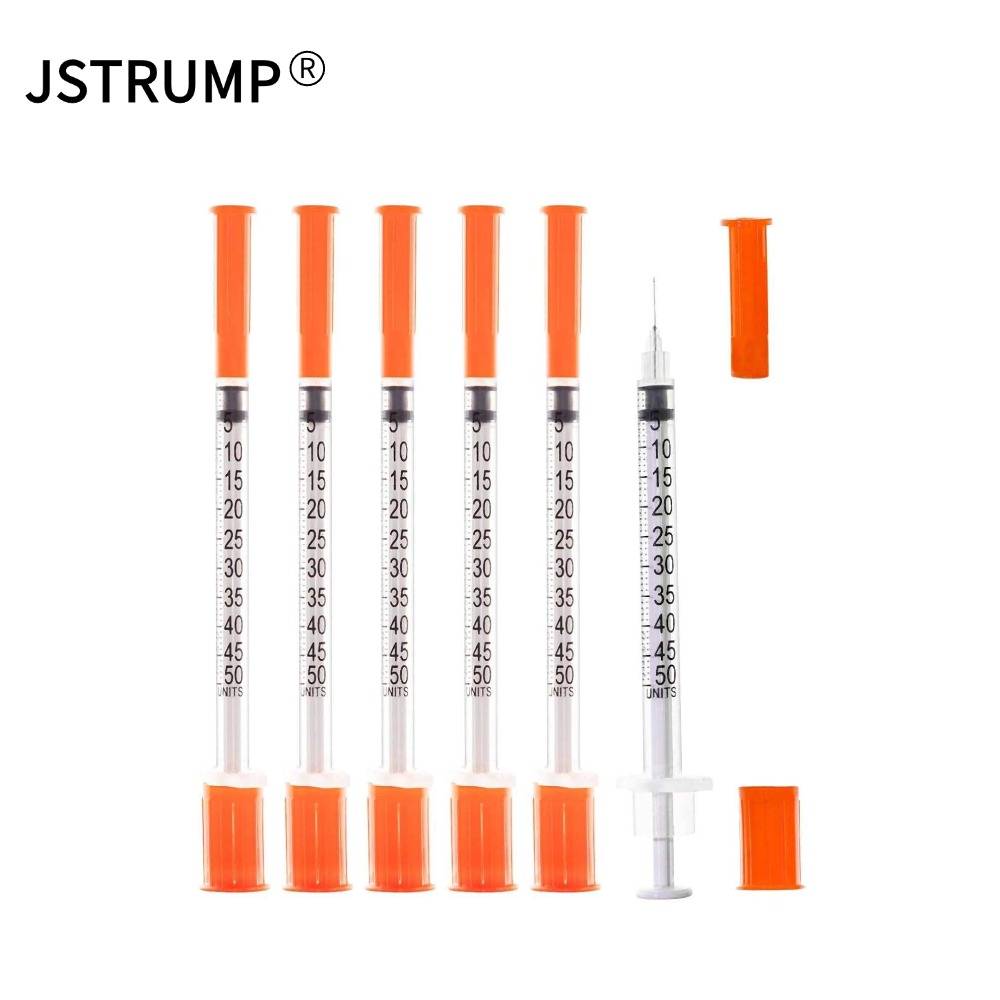
In the medical device industry, staff training for cleanroom sterile operation standards plays a critical role in ensuring the safety, quality, and reliability of IV access devices. As healthcare systems continue to demand higher levels of sterility, consistency, and process control, manufacturers must strengthen operator competence through structured training programs designed for controlled environments. This is especially important for products that come into direct or indirect contact with the bloodstream, including peripheral IV catheters, central venous access components, infusion accessories, and related sterile assemblies.
A cleanroom sterile operation standard training program is not simply a compliance requirement. It is a strategic manufacturing practice that supports product integrity, contamination prevention, regulatory alignment, and batch stability. For IV access devices, even minor deviations in handling, gowning, material transfer, environmental monitoring, or aseptic technique can create serious risks. Therefore, cleanroom training is a foundational element for organizations that produce or assemble sterile vascular access products.
This article provides a comprehensive, SEO-friendly overview of the topic, including definitions, training objectives, operational benefits, cleanroom specifications, sterile workflow practices, and standard quality controls. The content is written for direct use in blog pages, category pages, industry pages, and HTML content blocks, with a focus on keywords relevant to IV access devices cleanroom training, sterile manufacturing standards, and aseptic operations.
IV access devices are medical products used to establish and maintain intravenous access for the delivery of fluids, medications, nutrients, blood products, or contrast agents. These devices may be used for short-term or long-term vascular access, depending on the clinical application. Because they are involved in invasive procedures and patient blood contact, their manufacturing environment must be tightly controlled.
Common IV access device categories include:
Since these products are often supplied sterile, the manufacturing process must protect them from viable and non-viable contamination. This is why sterile cleanroom operations and operator training are essential at every stage of production.
Staff training is one of the most important controls in a sterile manufacturing system. Cleanroom environments are designed to reduce contamination, but the environment alone cannot guarantee product sterility. Human behavior, technique, and discipline remain major variables. For this reason, a formal training program helps ensure that personnel understand how to work correctly under controlled conditions.
In the context of IV access device manufacturing, staff training helps reduce contamination risks caused by:
A well-structured training program improves awareness, standardizes behavior, and strengthens compliance with GMP, ISO cleanroom practices, and internal quality requirements. For companies engaged in sterile IV device production, this can directly influence product safety, customer confidence, and audit readiness.
Cleanroom sterile operation standards refer to the set of documented procedures, behavioral rules, environmental controls, gowning requirements, and aseptic practices used to maintain a contamination-controlled manufacturing space. These standards support the production of sterile or high-purity medical devices by limiting particulate, microbial, and chemical contamination.
In practical terms, sterile operation standards cover:
These standards are especially important for IV access device sterile manufacturing, where product contact surfaces and packaging integrity must be protected until the point of clinical use.
The main purpose of cleanroom training for IV access device production is to ensure that every operator can perform tasks safely, consistently, and in compliance with sterile manufacturing expectations. A successful training program should aim to achieve the following objectives:
| Training Objective | Description | Operational Benefit |
|---|---|---|
| Contamination Prevention | Teach staff how to minimize particulate and microbial contamination. | Improved product sterility and lower defect rates. |
| Standardized Behavior | Ensure all workers follow the same gowning, movement, and handling procedures. | More consistent manufacturing output. |
| Regulatory Compliance | Align operator practices with cleanroom and GMP requirements. | Better audit performance and reduced compliance risk. |
| Process Stability | Reduce variation in sterile operations through repeated practice and evaluation. | Higher batch reliability and fewer deviations. |
| Product Protection | Teach safe handling of exposed components, packaging, and sterilized goods. | Lower damage and contamination during production. |
IV access devices are highly sensitive products because they are used in invasive therapy and often rely on sterile packaging, precise assembly, and intact fluid pathways. The production of these devices requires close control of cleanliness and aseptic handling at multiple stages.
Training is particularly important because many IV access products include:
Since the cleanroom environment must support product sterility from assembly through packaging, staff must understand the relationship between their actions and the final product quality. IV access device cleanroom training bridges this gap by teaching workers how to handle each step with a contamination-control mindset.
A comprehensive training program should include both theoretical knowledge and practical competency verification. The following are the core elements typically found in sterile operation training for medical device cleanrooms:
Gowning is one of the most visible and important parts of cleanroom discipline. Improper gowning can introduce particles, microorganisms, and fibers into controlled areas. For IV access device production, where sterile components may be exposed during assembly, controlled gowning behavior is essential.
Typical gowning requirements may include:
Staff training should include the correct order of donning and doffing, inspection of gown integrity, glove sanitization techniques, and the rules for touching non-sterile surfaces. Proper gowning helps minimize contamination and supports a stable sterile environment.
Cleanroom specifications can vary depending on the process, product risk, and regulatory framework. However, sterile IV access device production commonly uses controlled areas with defined particulate limits, pressure differentials, and environmental parameters. The following table provides a general reference for common cleanroom-related specifications used in sterile manufacturing contexts.
| Specification Item | Typical Target Range | Purpose |
|---|---|---|
| Airborne Particle Control | Controlled according to cleanroom class and process risk | Minimize particulate contamination |
| Temperature | Generally stable and process-appropriate | Support operator comfort and product stability |
| Relative Humidity | Typically controlled to prevent static and material issues | Reduce electrostatic attraction and material degradation |
| Pressure Differential | Positive pressure in cleaner zones | Prevent inward contamination from less controlled areas |
| Air Change Rate | Defined by room design and classification | Maintain clean air turnover and particle removal |
| Surface Cleanliness | Validated cleaning and disinfection program | Reduce residue and microbial buildup |
| Microbial Monitoring | Routine environmental sampling schedule | Verify aseptic control |
These specifications should always be tied to documented procedures and qualification records. Staff training must explain not only the values, but also why each parameter matters in sterile cleanroom operations for IV access devices.
Sterile IV device production presents a range of risks that training programs are designed to reduce. Understanding these risks is an important part of operator competence.
| Risk Category | Example | Training Control Measure |
|---|---|---|
| Particulate Contamination | Fibers, dust, or shedding from garments | Proper gowning, material control, and movement discipline |
| Microbial Contamination | Hand or surface transfer of bioburden | Hand hygiene, glove sanitization, and aseptic technique |
| Packaging Damage | Crushed or punctured sterile barrier | Careful handling and packaging inspection |
| Assembly Errors | Incorrect orientation or incomplete sealing | Work instruction training and in-process checks |
| Environmental Deviation | Pressure or alarm failure | Alarm response training and escalation procedures |
| Documentation Errors | Missing batch or cleaning records | Data integrity and documentation training |
Investing in cleanroom staff training brings measurable advantages to medical device manufacturing operations. For businesses producing IV access devices, the benefits extend from compliance to commercial performance.
A strong training curriculum for IV access device cleanroom operations should be practical, repeatable, and tailored to the specific process flow. The following outline can be used as a general reference.
| Module | Main Topics | Expected Outcome |
|---|---|---|
| Module 1: Cleanroom Basics | Room classification, airflow, contamination sources, behavior rules | Staff understand the cleanroom environment |
| Module 2: Personal Gowning | Hand washing, PPE sequence, glove control, gown checks | Correct cleanroom entry and hygiene discipline |
| Module 3: Aseptic Handling | Sterile field protection, touch limitations, tool handling | Reduced contamination during product assembly |
| Module 4: Device Assembly | Component alignment, torque/fit control, packaging interface | Accurate and consistent IV device build quality |
| Module 5: Cleaning & Disinfection | Wipe methods, approved agents, schedules, residue control | Maintained room cleanliness and hygiene |
| Module 6: Monitoring & Reporting | Environmental checks, incident reporting, deviation handling | Better traceability and faster correction |
Several operational habits are widely used in sterile cleanroom manufacturing to support contamination control. While procedures may differ by site and product, common practices include:
These practices are essential to maintain the integrity of IV access devices throughout assembly, inspection, packaging, and pre-sterilization or post-sterilization handling.
Training alone is not enough unless it is verified. Quality control in sterile manufacturing requires that employees demonstrate competency before performing critical tasks independently. This is especially true in medical cleanroom operations where personnel actions can directly affect product sterility.
Competency verification methods may include:
A strong competency system helps ensure that staff remain aligned with cleanroom sterile operation standards over time, not just during initial onboarding.
Environmental monitoring is a critical part of any sterile manufacturing strategy. It provides evidence that cleanroom conditions remain within defined limits and helps identify trends before they become serious issues. For IV access device production, monitoring often includes particulate counts, microbial monitoring, surface testing, pressure checks, and temperature/humidity recording.
| Monitoring Type | Purpose | Typical Frequency |
|---|---|---|
| Airborne Particles | Measure particulate levels in controlled zones | Routine or continuous, depending on risk |
| Microbial Air Sampling | Assess viable contamination in the environment | Scheduled during operations or qualification runs |
| Surface Sampling | Evaluate cleanliness of work surfaces and equipment | Defined by sanitation plan |
| Differential Pressure | Confirm controlled airflow direction | Frequent or continuous monitoring |
| Temperature and Humidity | Support stable product and operator conditions | Continuous logging or scheduled checks |
Staff training should explain how environmental data is used, how alarms are handled, and why reporting anomalies promptly is essential to product quality.
Documentation is a key part of quality management in sterile device manufacturing. A cleanroom can only be considered controlled when its processes are documented, repeatable, and traceable. Training should therefore include documentation discipline as a core skill.
Typical records in IV device sterile operations may include:
Clear documentation supports traceability, internal control, and regulatory inspection readiness. It also helps standardize practices across shifts, teams, and production lines.
Organizations that implement structured cleanroom sterile operation training often achieve a wide range of operational advantages. These benefits are particularly important in the IV access device sector, where product safety and consistency are essential.
For content planning and search visibility, the following keyword themes are relevant to this topic. These terms can help support organic ranking when used naturally within cleanroom and medical device content:
Using these phrases in titles, headings, body text, and image alt tags can improve topical relevance for search engines, especially when the page is intended for industry education, category navigation, or manufacturing compliance resources.
Although actual SOPs vary by site, a typical cleanroom sterile operations SOP for IV access device production may address the following areas:
| SOP Area | Purpose | Example Content |
|---|---|---|
| Personnel Entry | Control access to cleanroom zones | Gowning, hand hygiene, pass-through rules |
| Component Handling | Protect sterile and non-sterile components | Packaging opening, transfer trays, touch control |
| Assembly Operations | Maintain product quality during build | Step sequence, inspection points, line clearance |
| Cleaning Procedures | Maintain environmental cleanliness | Agent selection, wipe method, frequency |
| Deviation Handling | Standardize response to abnormal conditions | Escalation, quarantine, documentation |
Staff training held to upgrade cleanroom sterile operation standards for IV access devices is a critical investment for any organization involved in sterile medical device manufacturing. Because IV access devices require high levels of contamination control, product protection, and process consistency, the competence of cleanroom personnel directly affects quality outcomes.
A well-designed training program strengthens gowning discipline, aseptic technique, environmental awareness, documentation accuracy, and operational consistency. It also supports regulatory compliance, reduces production risk, and improves the overall reliability of sterile IV device manufacturing. For blog pages, industry pages, and SEO-focused directory content, this topic offers strong relevance for readers seeking authoritative information about cleanroom training standards, sterile operation practices, and IV access device production.
By building a culture of contamination control and continuous staff qualification, manufacturers can better protect product integrity and deliver safer, more dependable IV access devices to the healthcare market.
```
This website uses cookies to ensure you get the best experience on our website.



 Phone
Phone
Comment
(0)